

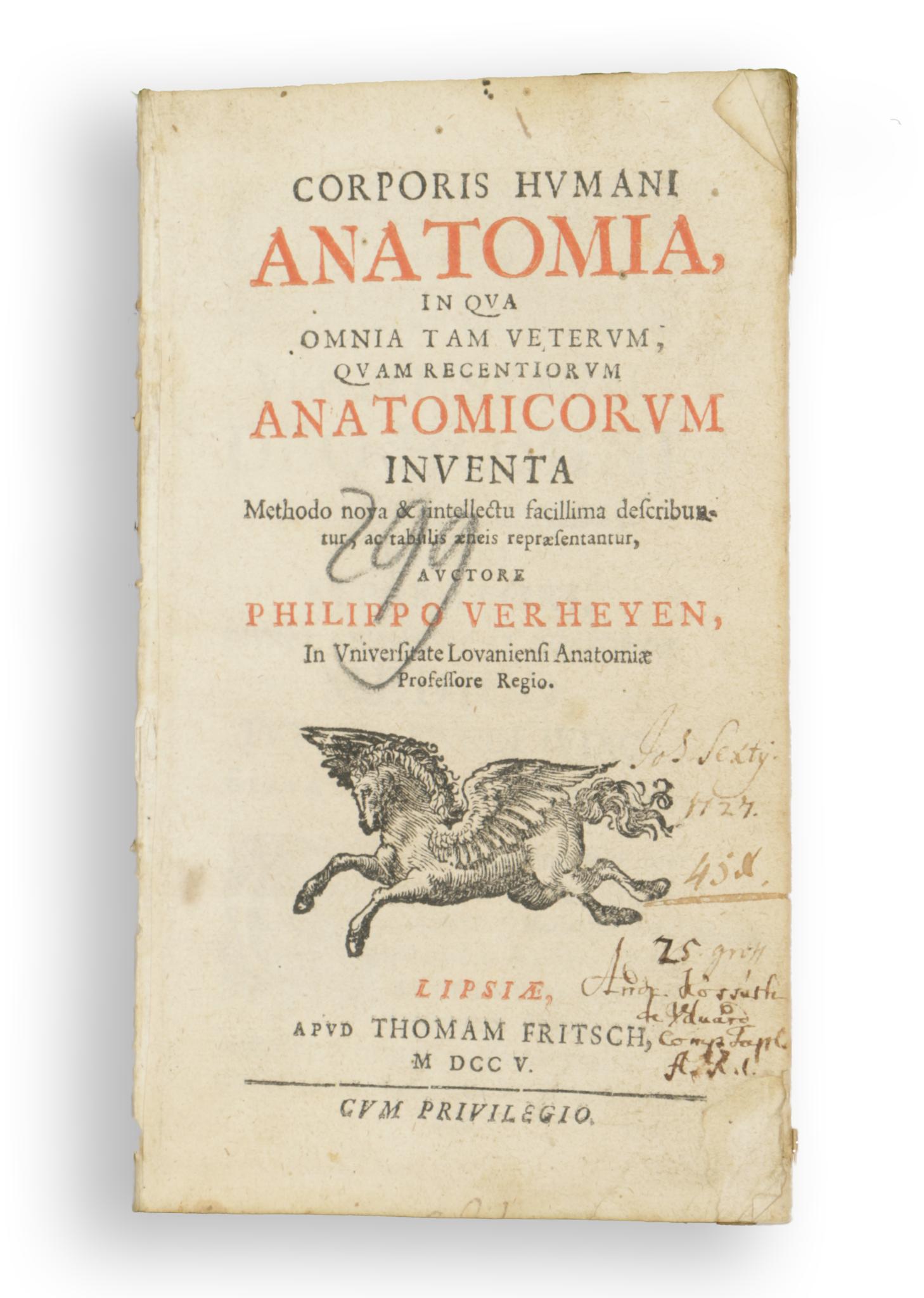
Corporis Humani Anatomia, in qua omnia tam veterum, quam recentiorum Anatomicorum Inventa methodo nova & intellectu facillima describuntur, ac tabulis aeneis repraesentantur
Lipsiae, 1705. Published by Thomam Fritsch.[20]+622+[22]p. + 31t.
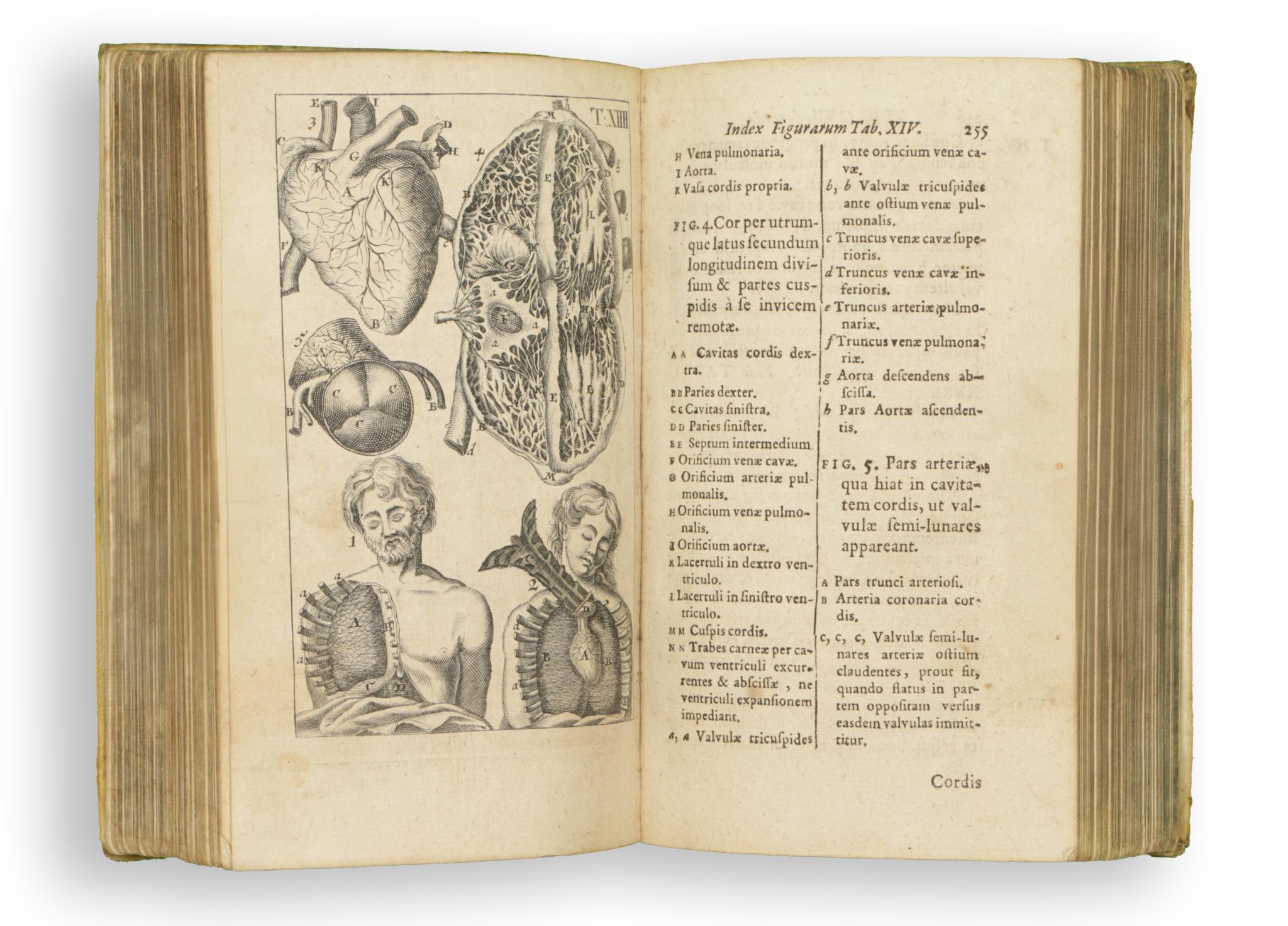
Philip Verheyen (1648-1710) olvasott, független kutató volt, akinek elhivatottságát, nem kevés túlzással örökítette meg festményén 1715-ben egy anonim festő, melyen Verheyen a saját amputált lábát boncolja. Igaz, a leuveni anatómia professzoraként munkakörülményei korántsem voltak tökéletesek: boncolható holttestek ritkák és nehezen beszerezhetők voltak, és nem álltak rendelkezésre boncolásra alkalmas létesítmények sem (az első boncterem csak 1744-ben, jóval az ő halála után épült meg). Leghíresebb művét, az 1693-ban megjelent Corporis humani anatomiae-t huszonyegy alkalommal nyomtatták újra, és számos európai egyetem alkalmazta tankönyvként. Az illusztrációk gyengébb minőségűek voltak (valószínűleg ő maga rajzolta őket), mint az anatómusok számára írt korabeli atlaszokban. Verheyen könyve azonban nemcsak atlasz volt, hanem tömör kézikönyv is, amely bemutatta olvasóinak, hogy az anatómia tanulmányozása szerves része az élettan tanulmányozásának. Kifejezetten diákok számára íródott, és a szerző tervezése szerint megfizethetőnek szánták. Egészen a 18. század közepéig referenciamű maradt. Jelen tétel a mű harmadik kiadása.
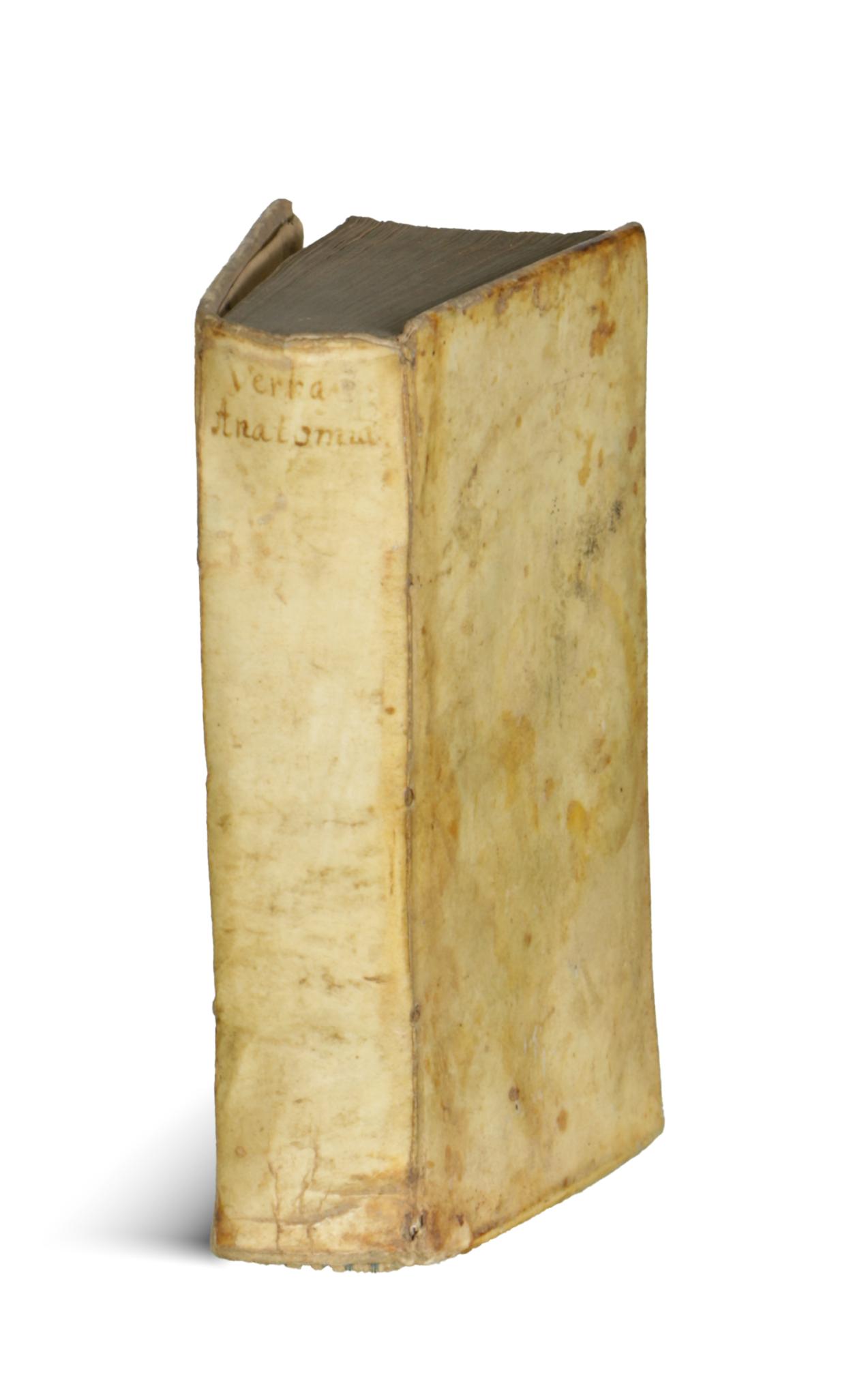
A címképmetszet hiányzik. A címlapon tintás bejegyzések. 31 rézmetszetű kisérő ábrával. Korabeli pergamenkötésben, gerincén címfelirattal. A címlap kivételével a lapok tiszták, korához képest nagyon szép állapotú darab.
The frontispiece is missing. Ink inscriptions on title page. 31 copper engravings with anatomical illustrations. In contemporary vellum binding, with title inscription on spine. With the exception of the title-page, the pages are clean. Overall in very good condition for its age.