

![Respublica et status regni Hungariae [Leyden], 1634. Ex officina Elzeviriana.](https://kozpontiantikvarium.hu/sites/default/files/2026-05/73.jpg "Respublica et status regni Hungariae [Leyden], 1634. Ex officina Elzeviriana.")
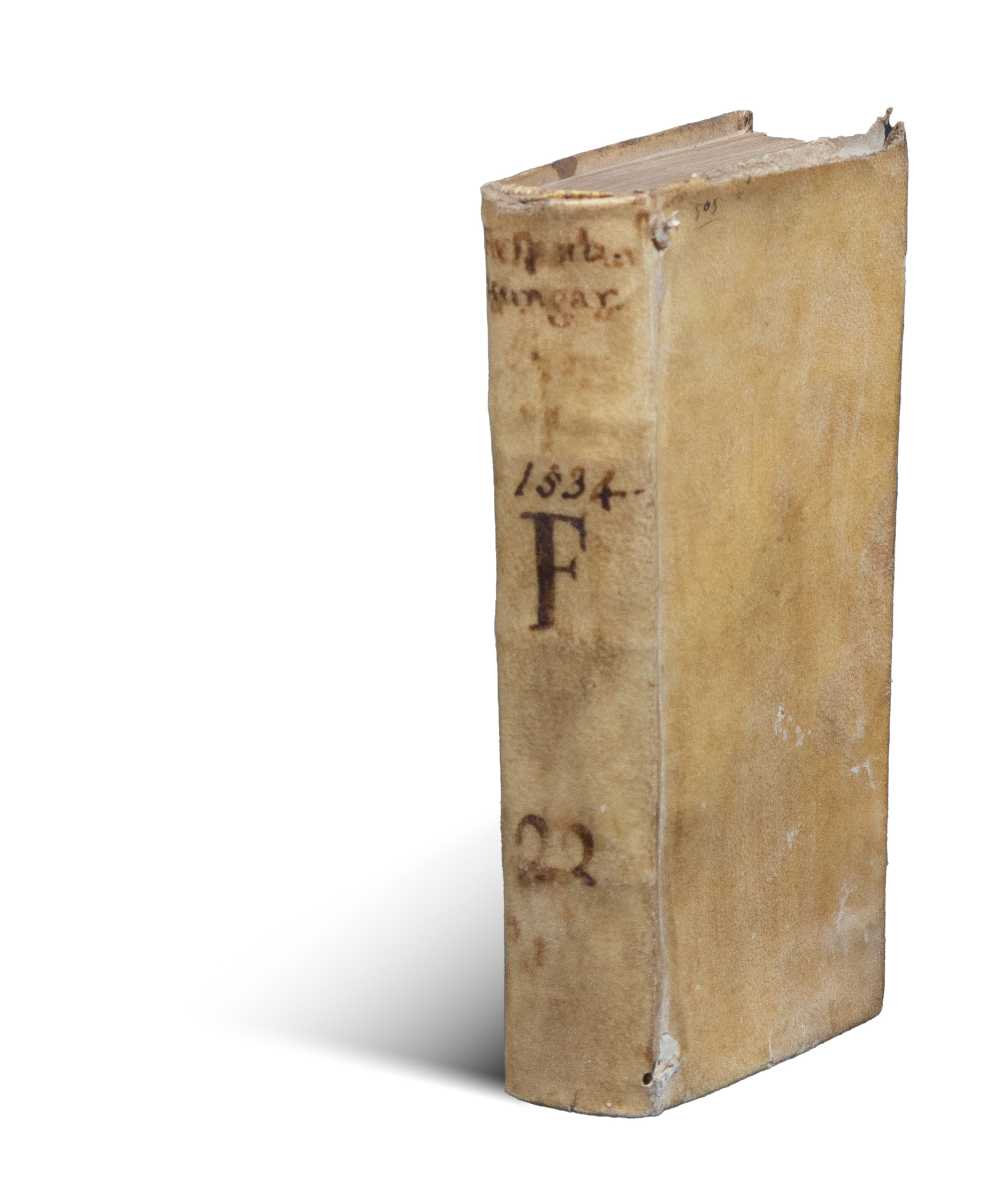
Respublica et status regni Hungariae
[Leyden], 1634. Ex officina Elzeviriana.330 + [1]p.
Az Elzevir-család több generáción át, több párhuzamos ágon is működő nyomdája a XVII. század első felében Bonaventura és Abraham Elzevir munkásságával érte el fénykorát. Főként kisalakú, olcsó, tudományos műveket bocsátottak ki a művelődni, tájékozódni vágyó polgárság igényeinek megfelelően. Nevükhöz fűződik a tizenkettedrét formátum elterjesztése. Betűmetszőként a műhelynek dolgozott a híres németalföldi festő, van Dyck is. Egyik legnevezetesebb sorozatuk az ún. „respublikák”. Kötetei egy-egy ország életét, természeti kincseit és viszonyait, éghajlatát, gazdasági lehetőségeit, a lakosság összetételét, vallási megoszlását, az ország politikai és katonai helyzetét és röviden a történetét is ismertették. A rézmetszetű címlappal ellátott, keskeny alakú, nagyon kicsi és szép betűkkel készített, elegáns könyvecskék első darabja – az Angliáról szóló – 1625-ben látott napvilágot. 1650-ig a sorozatnak összesen 35 kötete jelent meg, amelyek – néhány kivétellel – európai államokkal foglalkoztak. A Magyarországot bemutató kötet hazai forrásokat is közöl, így Szent István intelmeit, továbbá az ő, Károly Róbert és Zsigmond törvényeit, valamint az 1603-as pozsonyi országgyűlés artikulusait. Ezek mellett talán a legjelentősebb szöveg Werner György eperjesi bíró és tanár magyarországi gyógyvizekről szóló, néprajzi érdekességeket is tartalmazó geológiai tanulmánya. A kötet összeállítója feltehetően egy németalföldre menekült cseh tudós volt. A címlapon felül az ország címere, alul hun lovas képe látható, amely Apponyi szerint Schödel Márton „Disquisitio” című műve nyomán készült.
Korabeli pergamen kötésben. Szép példány.
Apponyi: 828.; RMK III 6190., 7593
In contemporary parchment binding. A nice copy.
Apponyi: 828.; RMK III: 6190., 7593