

Theoricae Novae Planetarum.
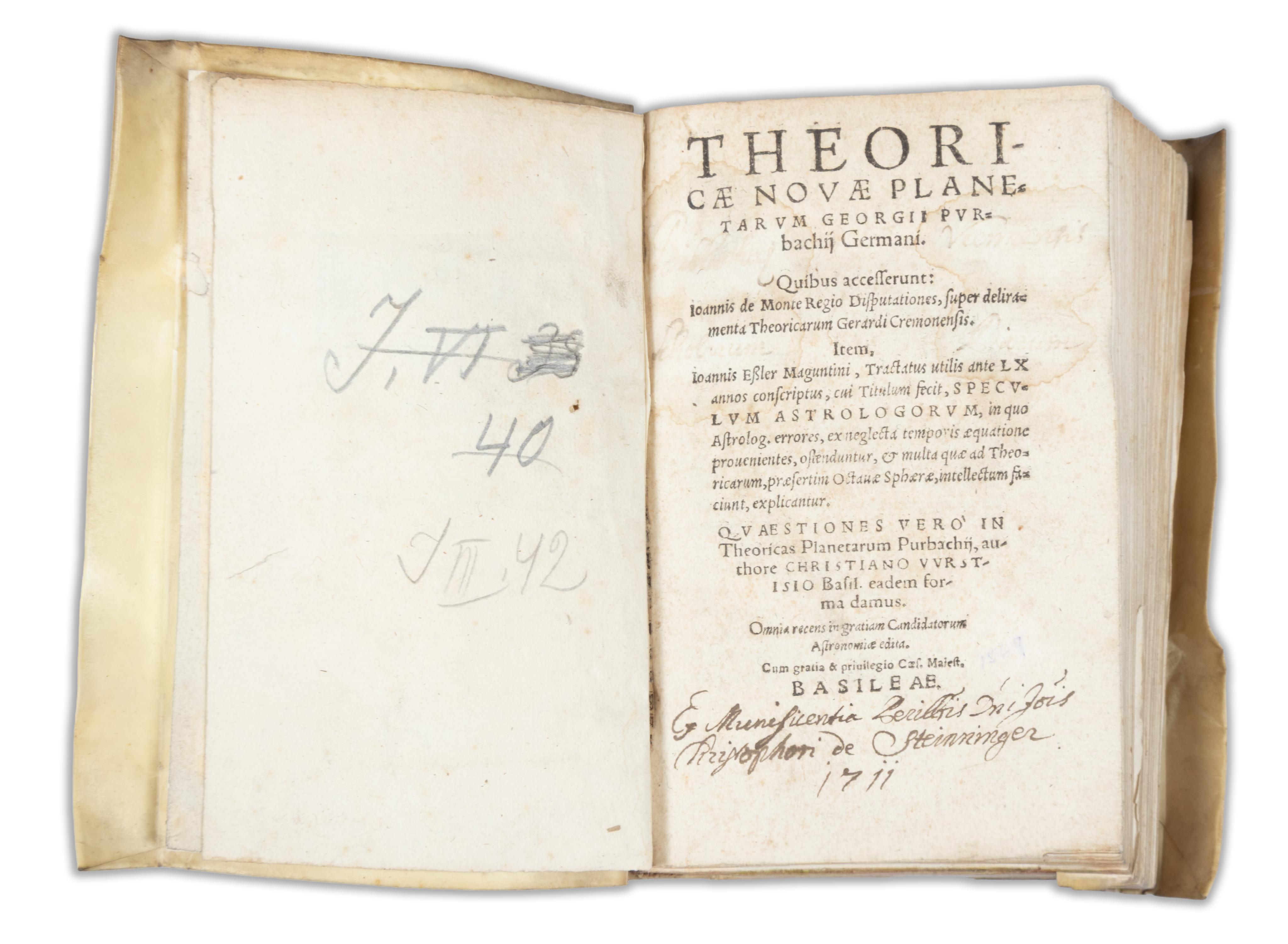
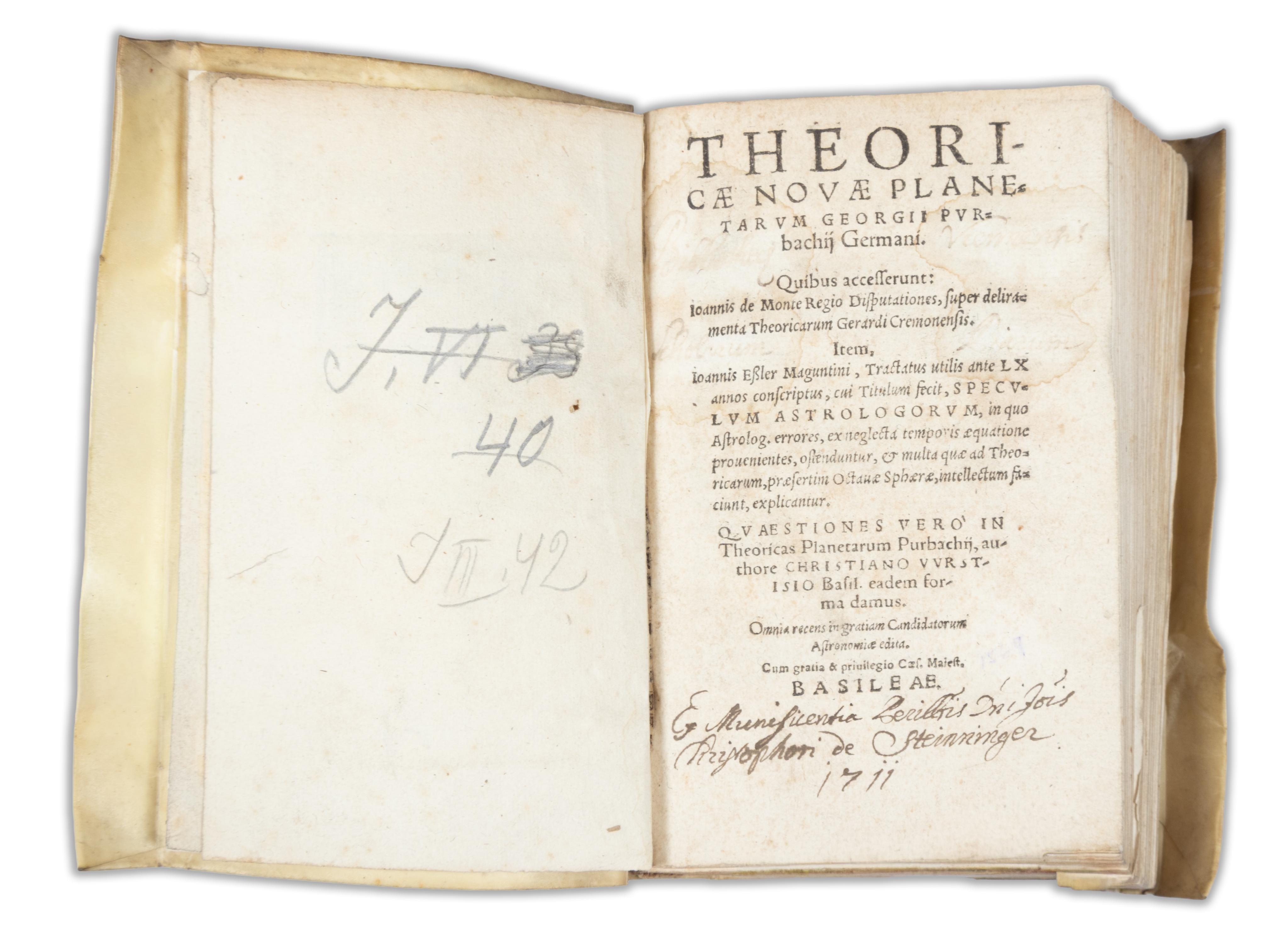
Basel, 1569. Ex Officina Henricpetrina.Quibus accesserunt: Joannis de Monte Regio Disputationes super deliramenta Theoricarum Gerardi Cremonensis. Item Joannis Eßler Tractatus utilis ... cui Titulum fecit Speculum Astrologorum ... Quaestiones vero in Theoricas Planetarum Purbachij,. authore Christiano Vvrstisio
[16] + 262 +[2]p. a8, A-Q8, R4.
A 12. századtól a 15. századig a nyugati világban a bolygócsillagászat vezető tankönyve a Theorica planetarum volt, amelyet gyakran – bár minden jó ok nélkül – Cremonai Gerardnak tulajdonítanak (lásd Pedersen 1981). A 15. század vége felé ebben a szerepében a bécsi csillagász, Georg von Peuerbach jelenlegi, haladóbb műve váltotta fel, amelynek sokatmondó címe az Új (Novae) Theoricae a bolygókról (a theoricae kifejezésről lásd alább). A könyv Peuerbach 1454-ben tartott előadásaiból született, amelyeket többek között legkiválóbb tanítványa, Johannes Regiomontanus jegyzett le. Az osztrák csillagász- és matematikaprofesszor ebben leegyszerűsíti és modernizálja a ptolemaioszi csillagászati modellek ábrázolását, ezáltal a reneszánsz diákjai és tudósai számára is könnyebben érthetővé teszi ezeket a fogalmakat.
Tíz évvel Peuerbach halála után, amikor a könyvnyomtatás művészete terjedni kezdett, Regiomontanus saját nyomdát alapított Nürnbergben azzal a kifejezett céllal, hogy az új technológiát a csillagászat szolgálatába állítsa. Az első két általa kinyomtatott szöveg egyike a Theoricae novae planetarum volt 1472-ben. Mivel néhány kézirat fennmaradt, ellenőrizhető, hogy azokat meglehetősen hűen követte.
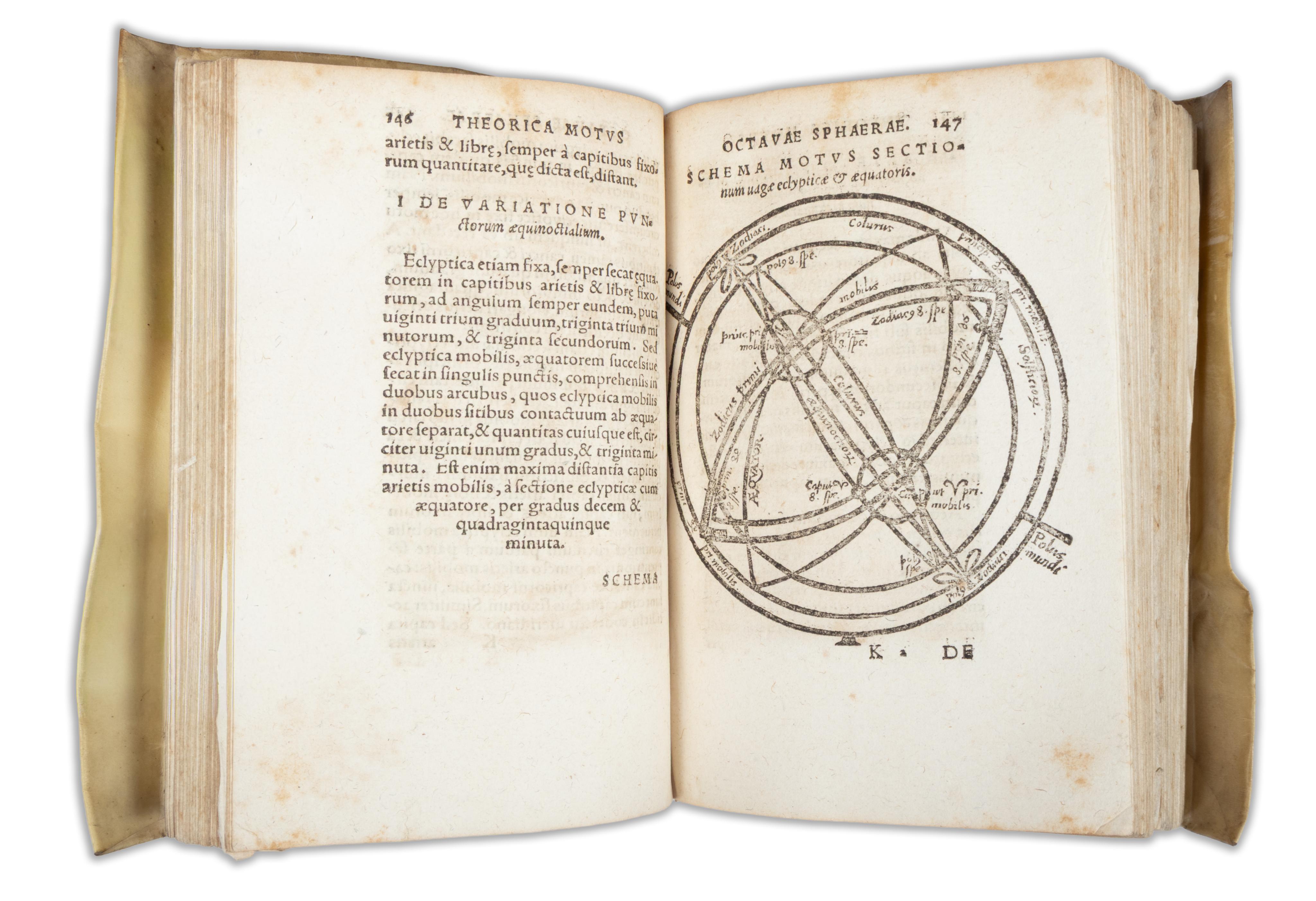
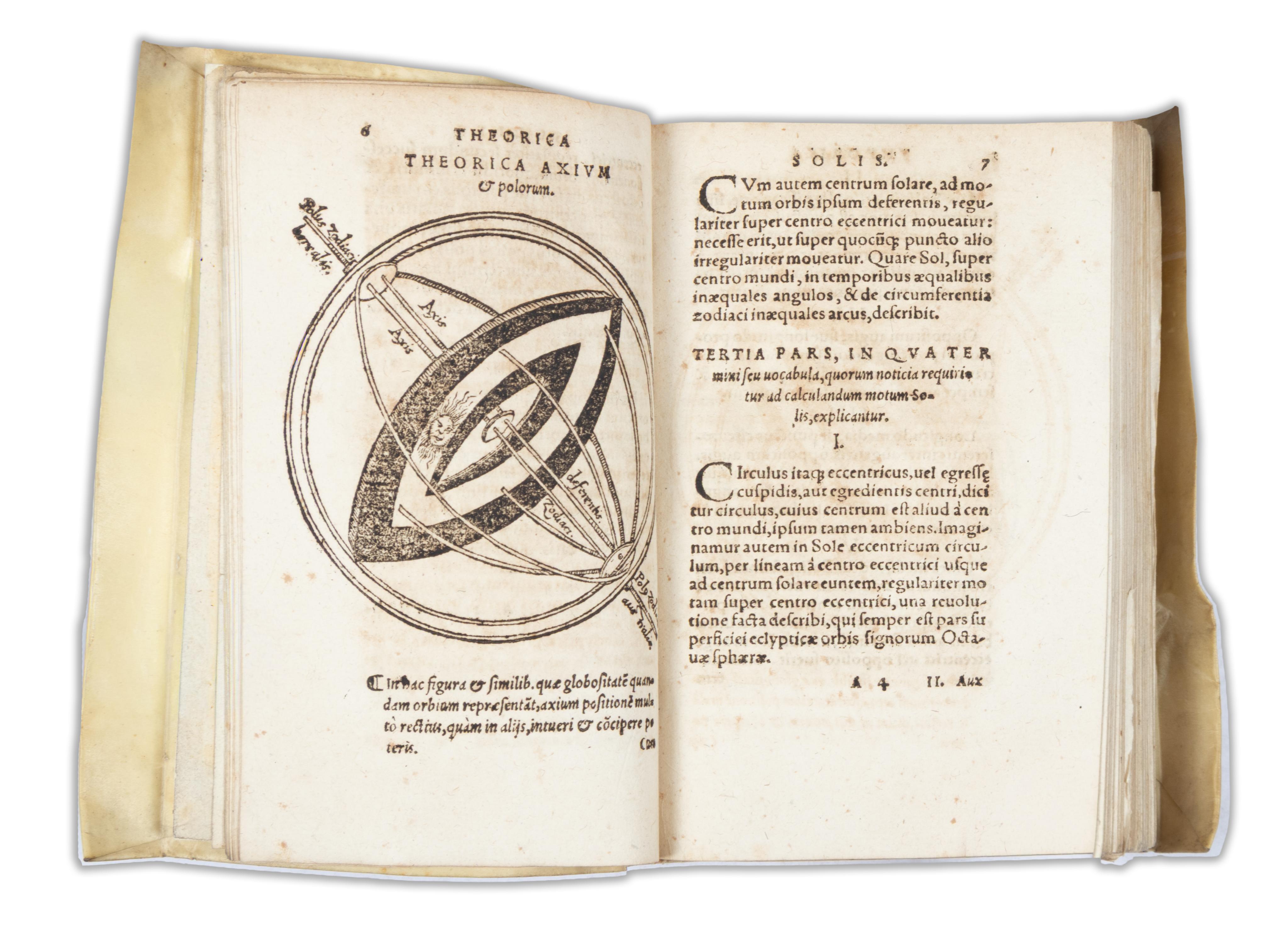
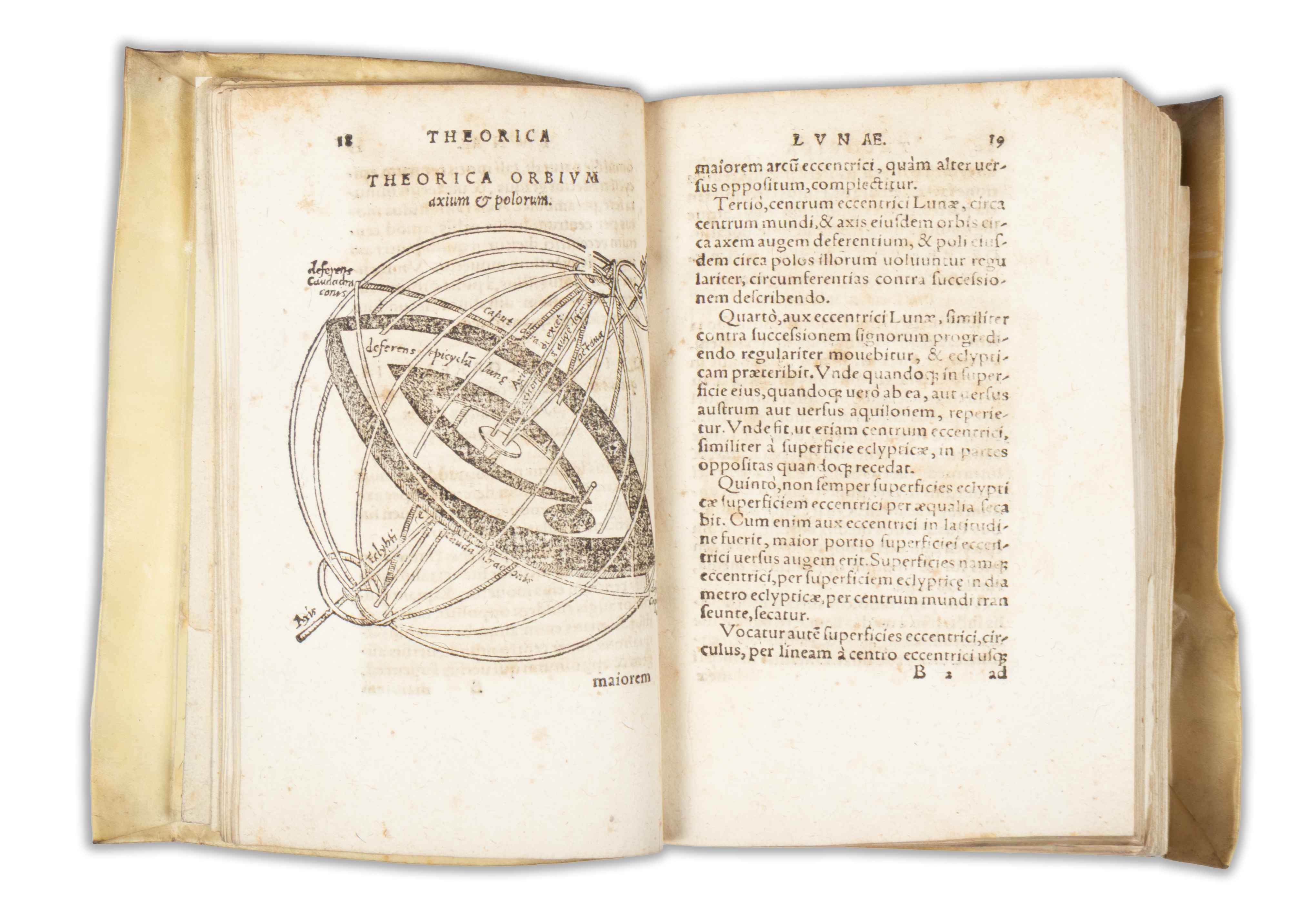
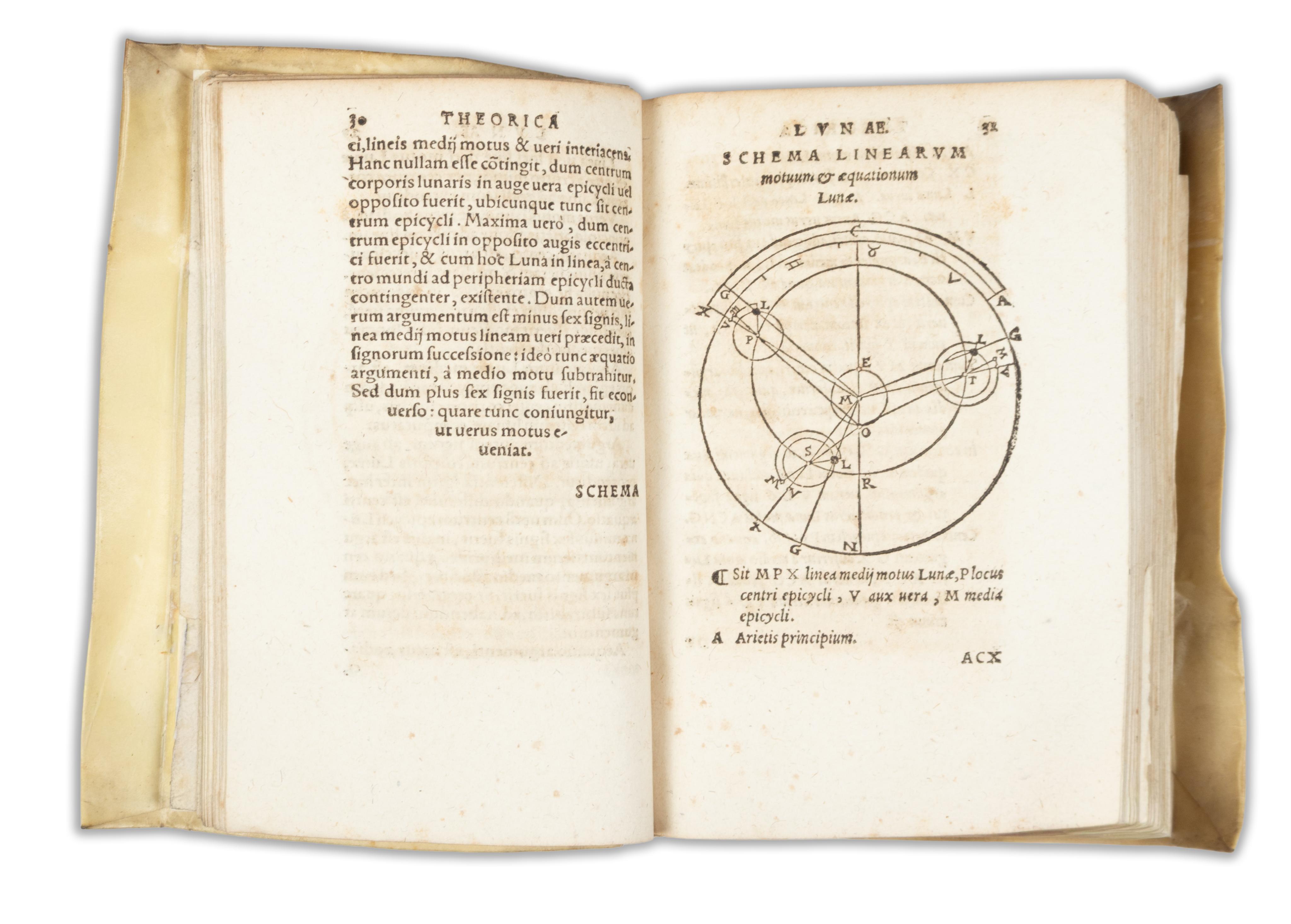
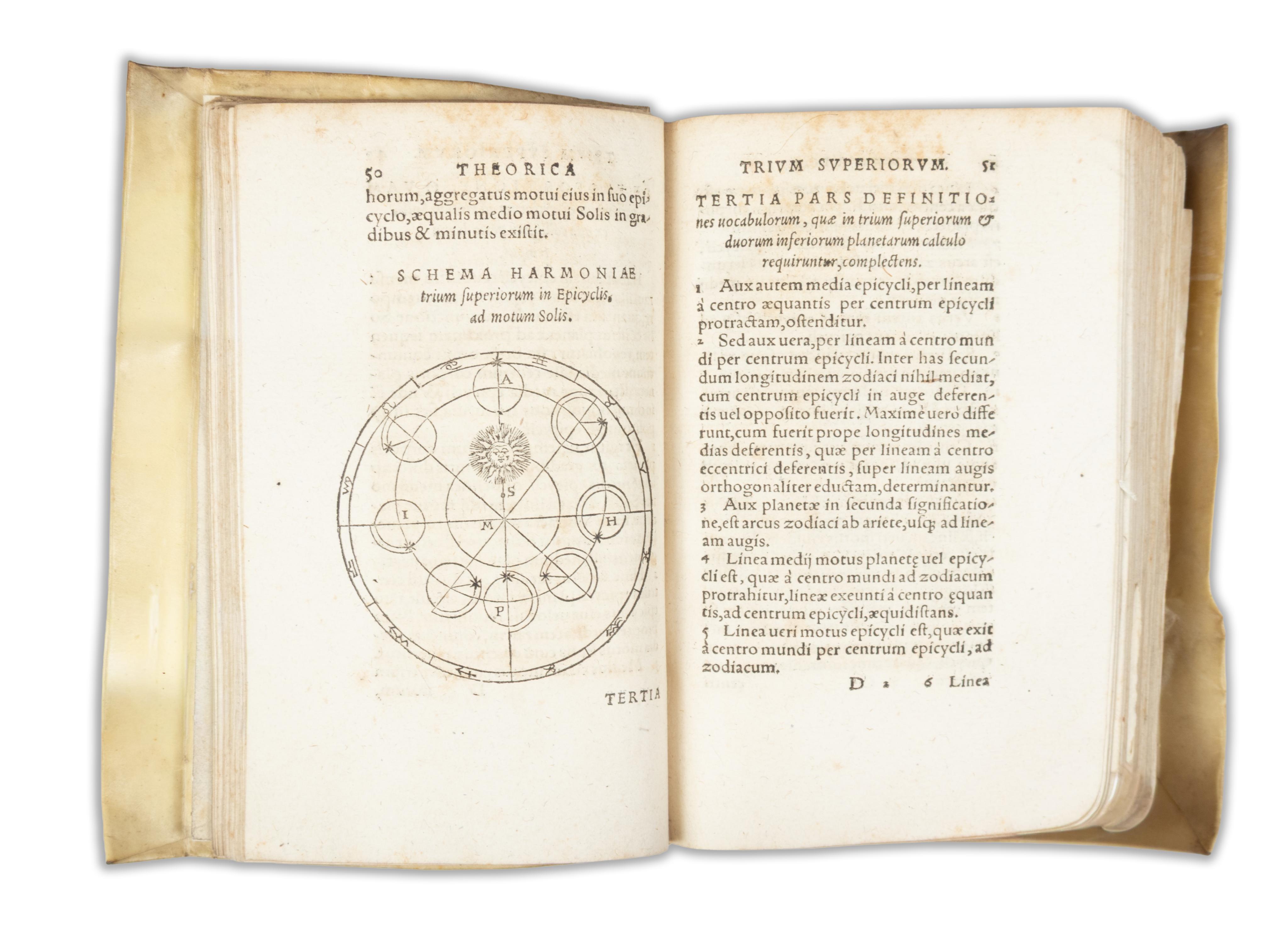
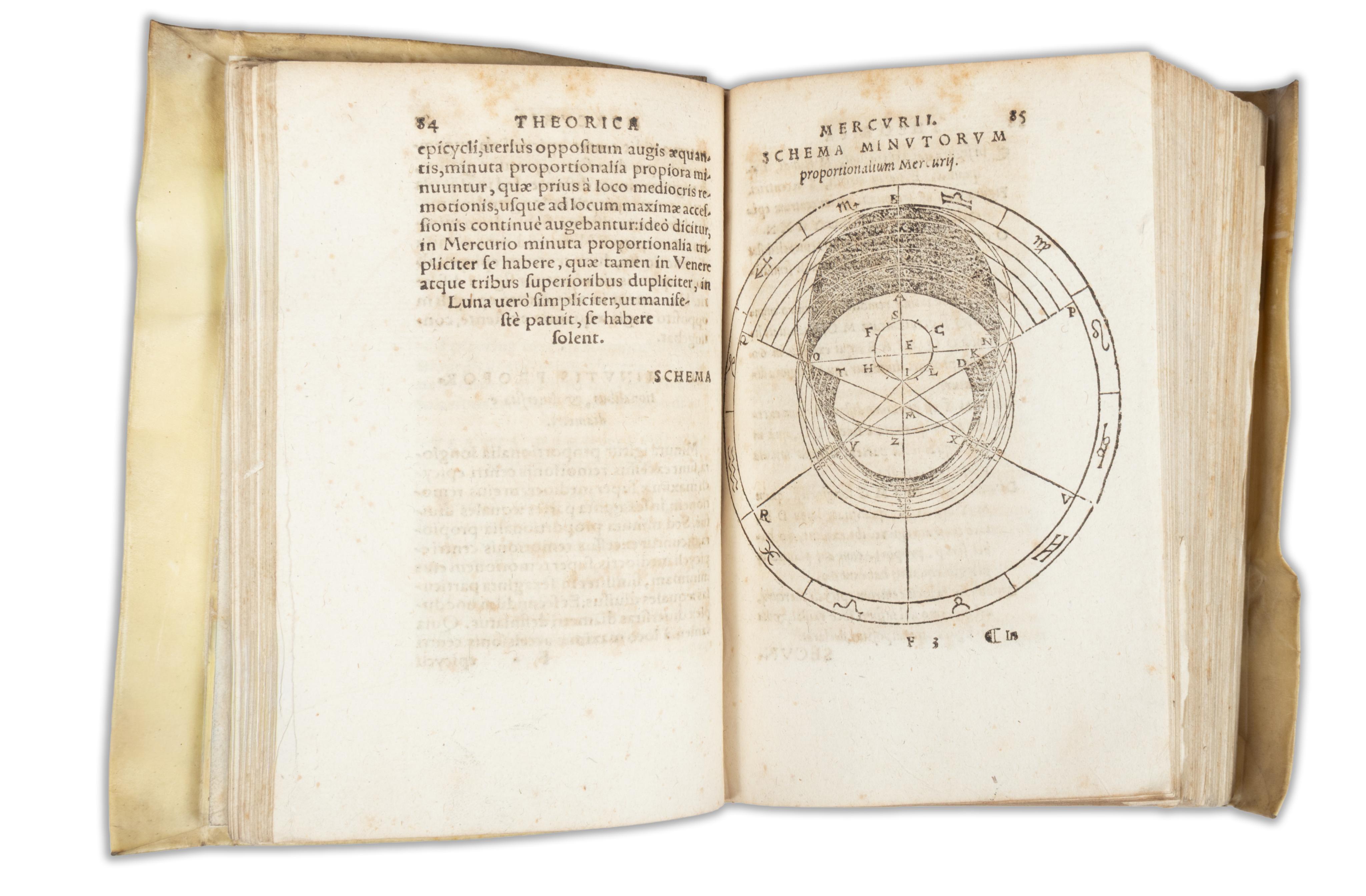
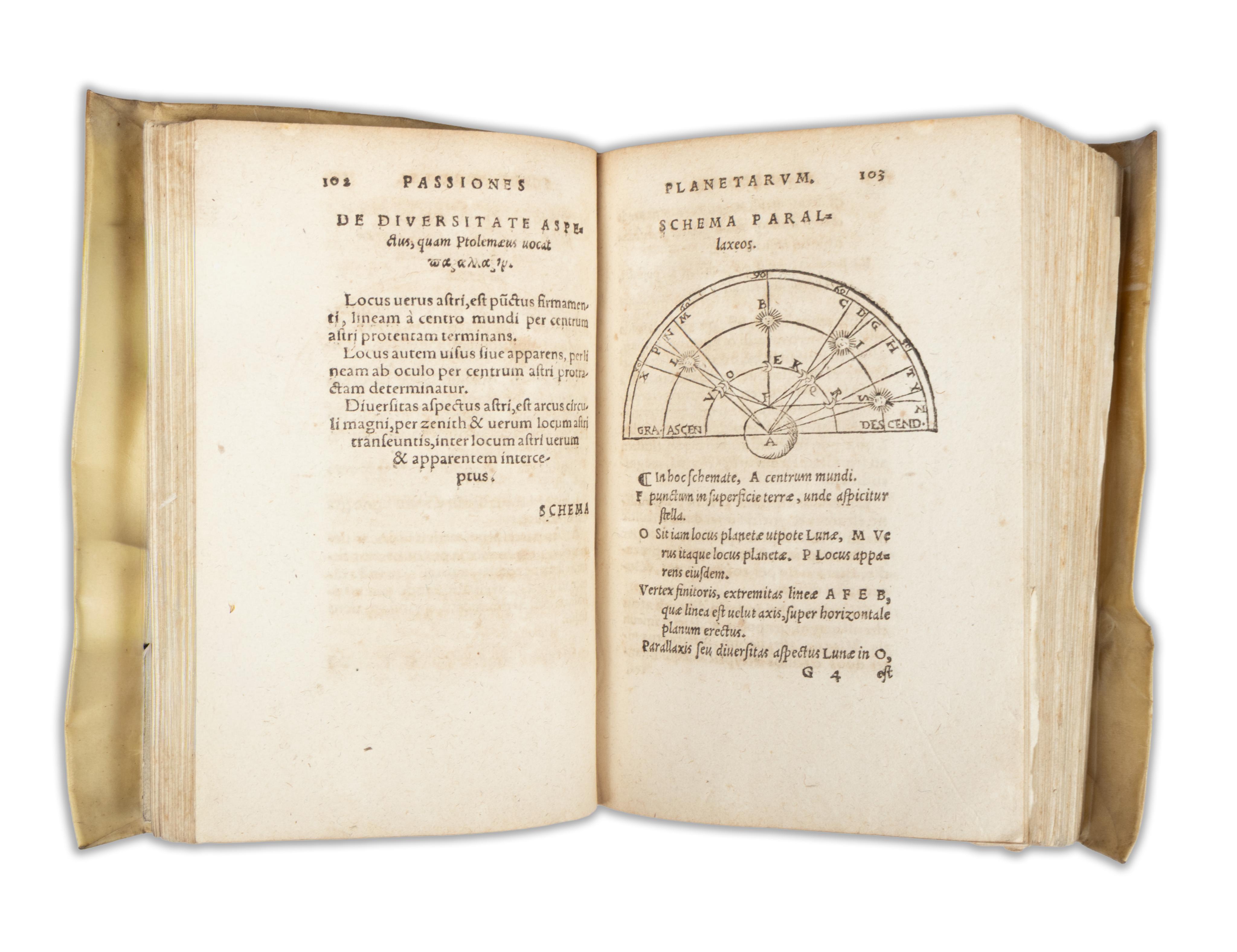
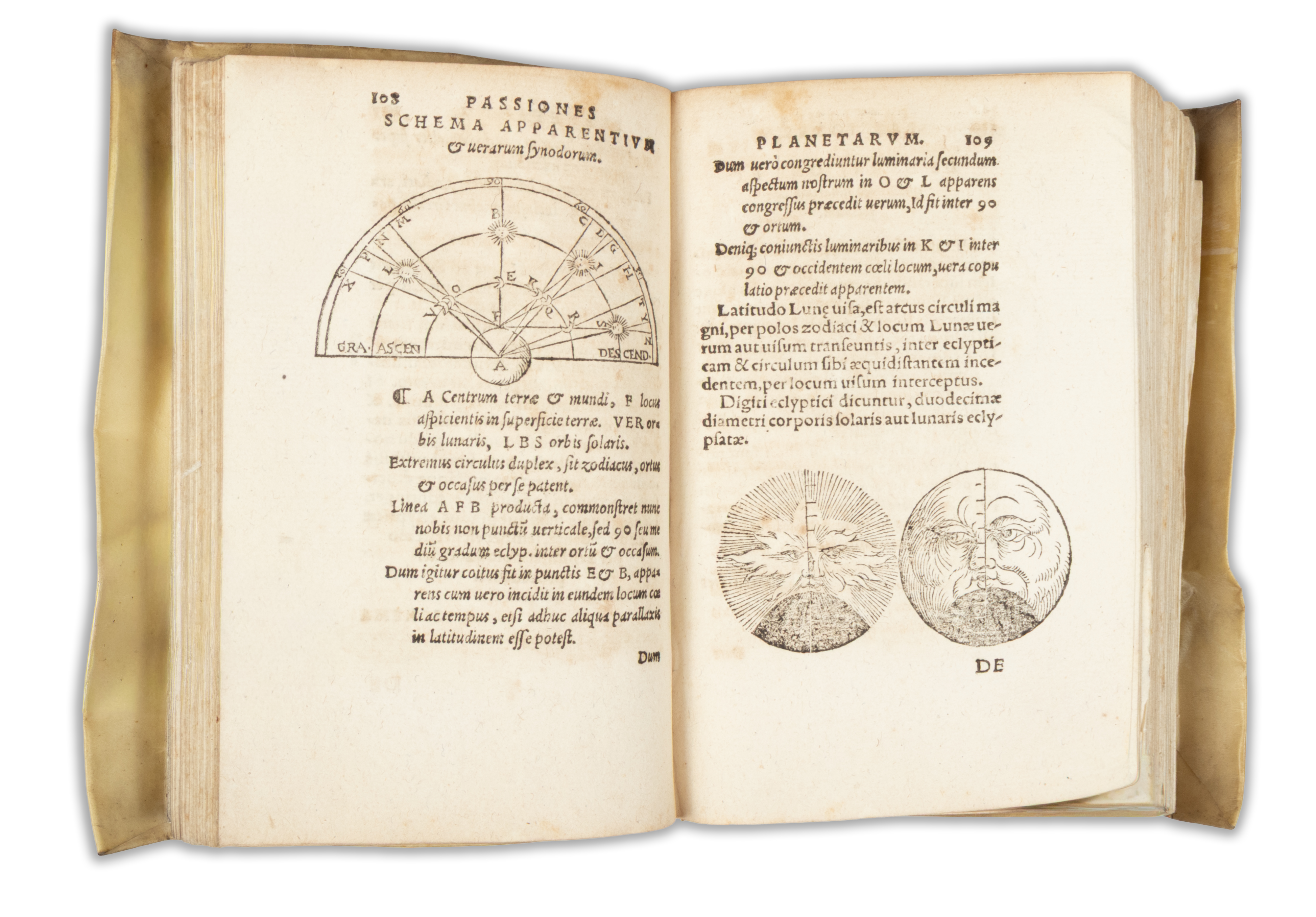
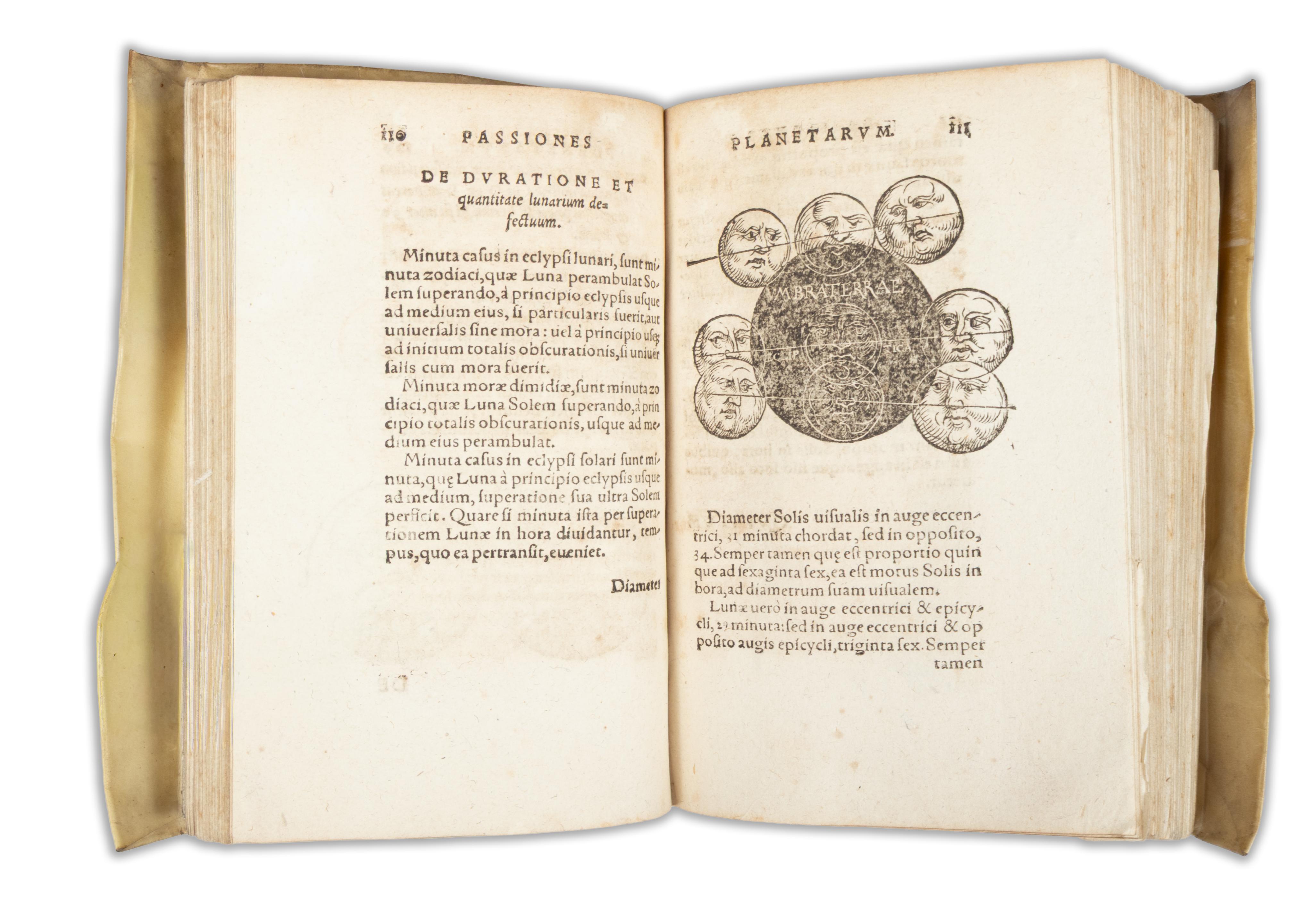
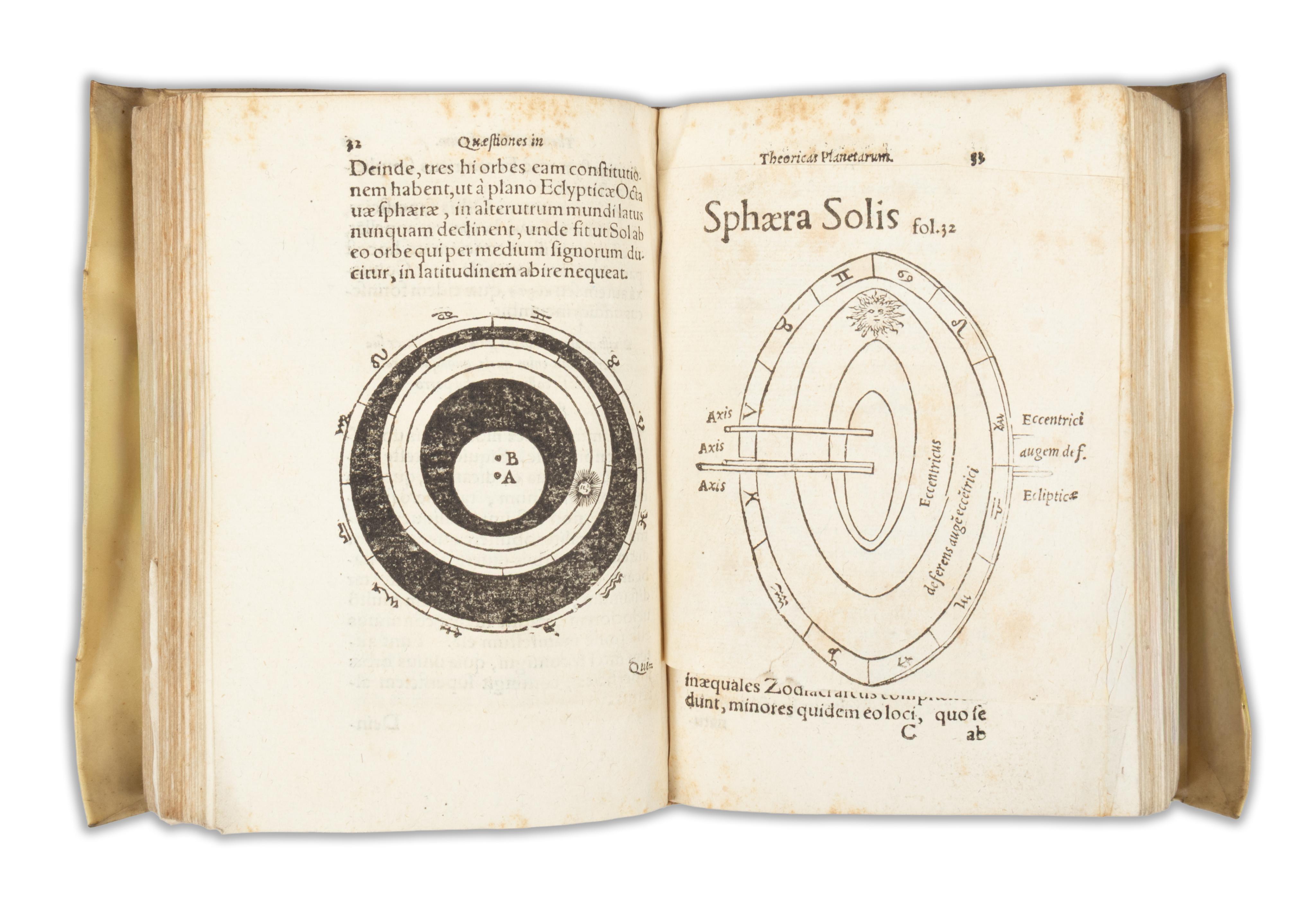
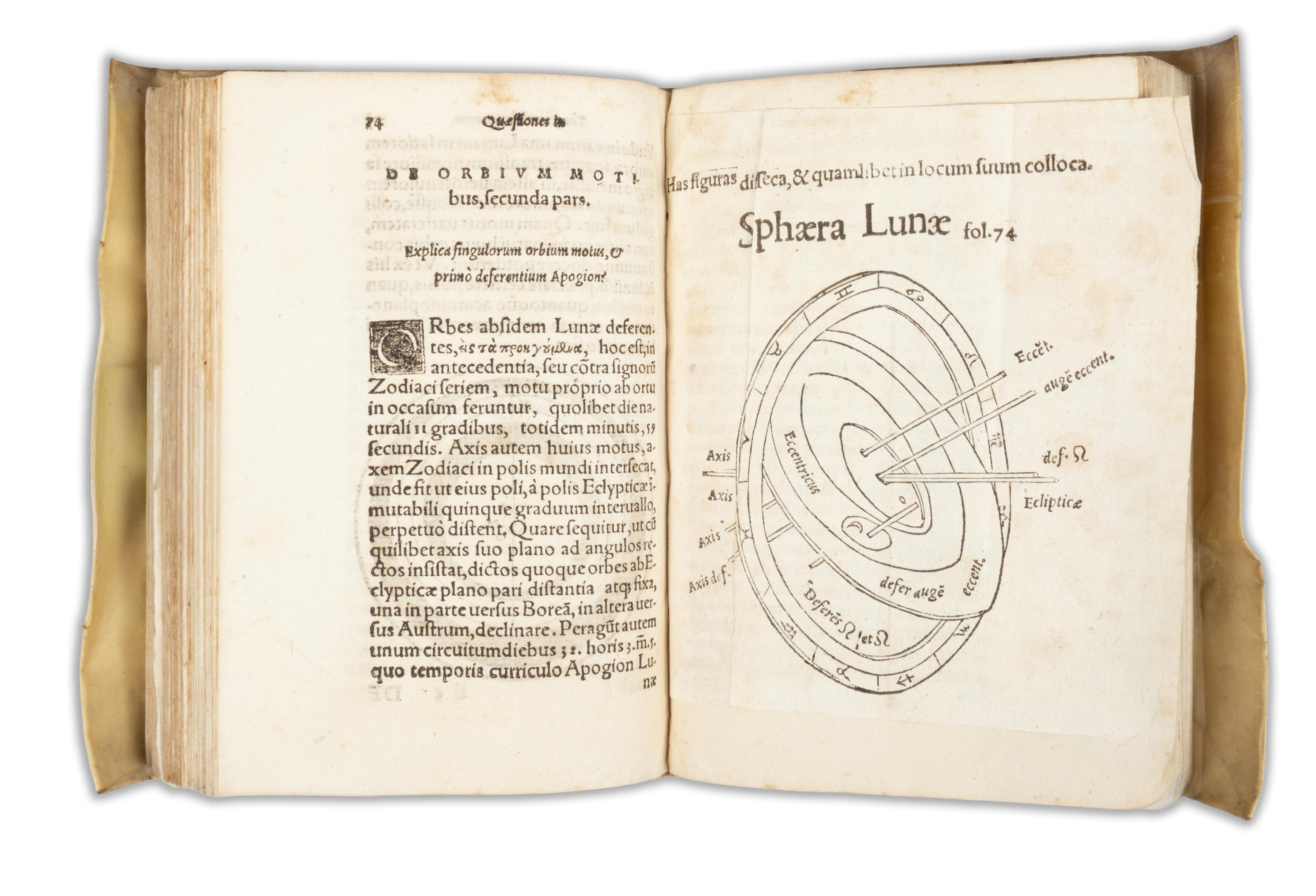
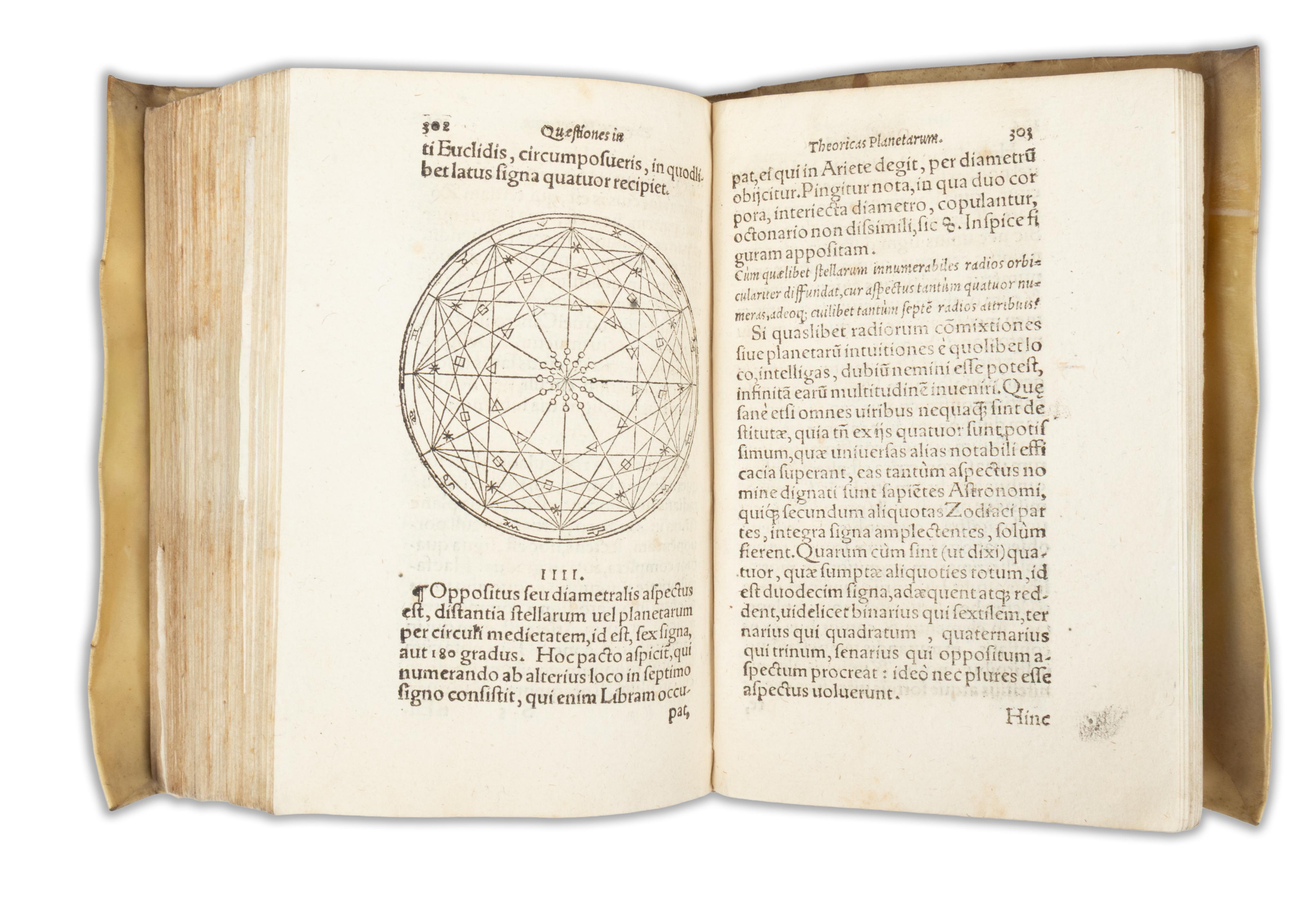
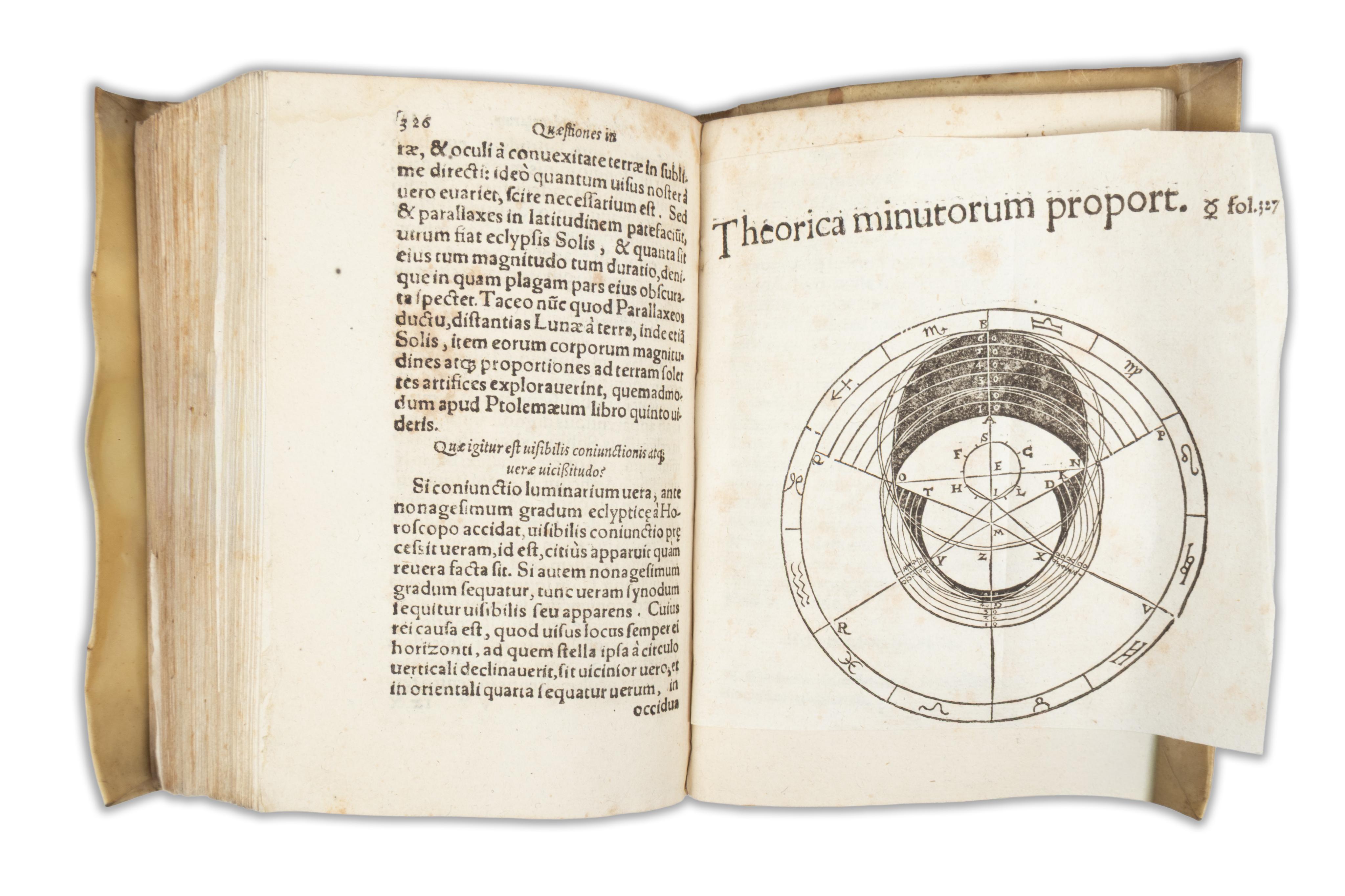
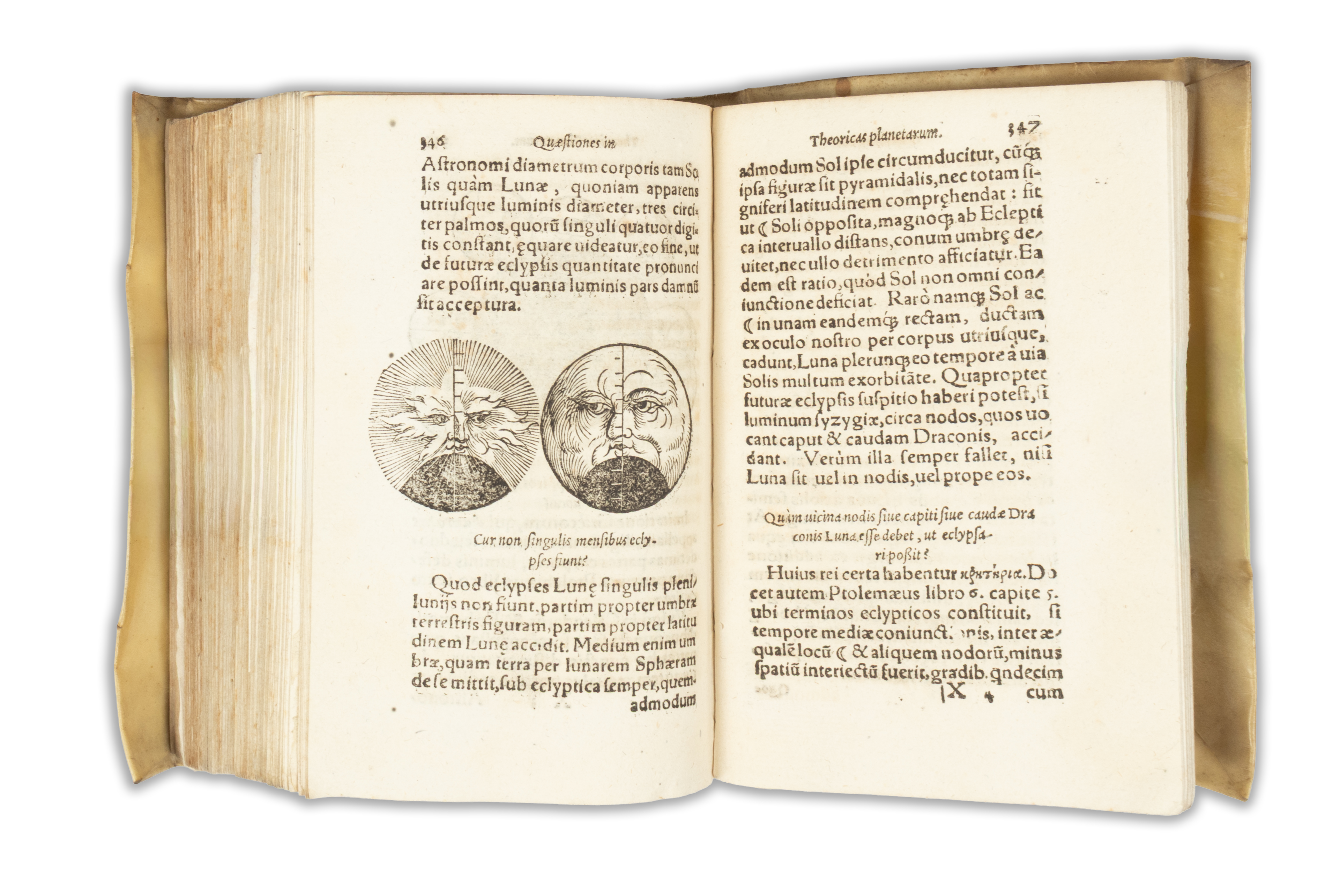
A mű terjedelmének több mint egyharmadát 29 kifinomult ábra teszi ki, amelyek elengedhetetlenek Peuerbach gondolatmenetének megértéséhez. Úgy tűnik, hogy a cím is ezeket emeli ki, bár a theorica szó „ábra” jelentésben nem szerepel a középkori latin szótárakban, és Cremonai Gerardnál – aki egyes számban használja – valószínűleg olyasmit jelent, mint „elmélet”. Peuerbach címében ezzel szemben a kifejezés többes számban áll, miközben minden egyes ábra külön címet visel (Theorica solis, Theorica lunae stb.). Ez erősen arra utal, hogy Peuerbach és Regiomontanus nyelvhasználatában a szó ábrát jelöl.
A Theoricae novae planetarum hatalmas sikert aratott. 1653-ig legalább 56 nyomtatott kiadása jelent meg.
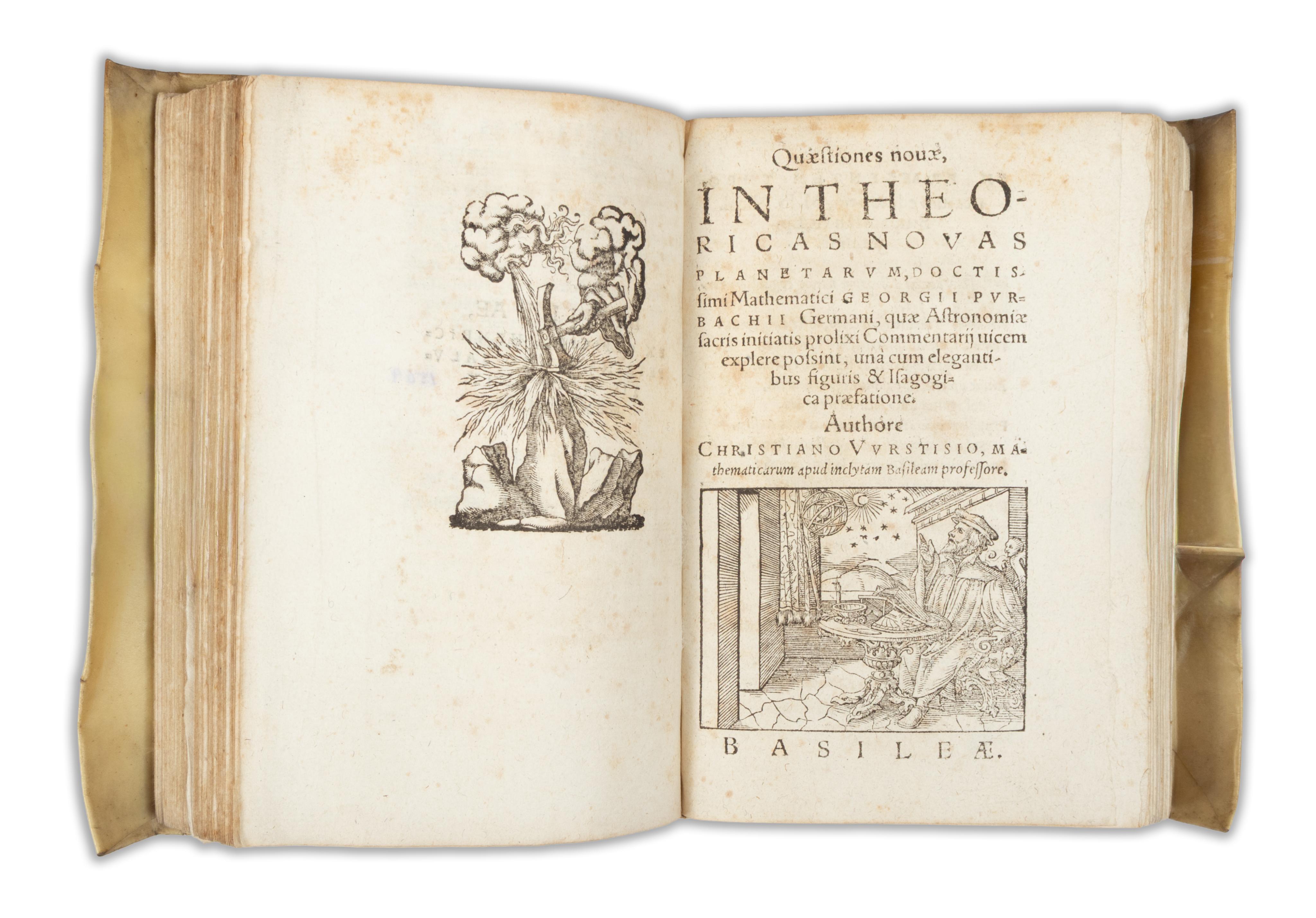
Kiadói kolligátumként hozzákötve: Christopher Wursteisen [Vurstisius] Quaestiones Novae in Theoricas Novas Planetarum,Basel, 1568. Ex Officina Henricpetrina. [16] + 429 + [5]p. a8, A-Z8, Aa-Cc8, Dd4.
Peuerbach értekezését itt Christian Wurtisen (1544–1588) bázeli származású svájci matematikus, csillagász és történész kommentárjai követik, aki különösen élénken érdeklődött a csillagászat iránt.
A két művet, amelyek olykor így egybefűzve is megtalálhatók, sorrendben 51 szövegközi fametszet és 6 szövegen kívüli, kihajtható melléklet, illetve 42 szövegközi fametszet és 6 szövegen kívüli, kihajtható melléklet illusztrálja. A második, önálló címlappal rendelkező mű egy gyönyörű címvignettát is tartalmaz; mindkét kötet végén nyomdászjelzés található.
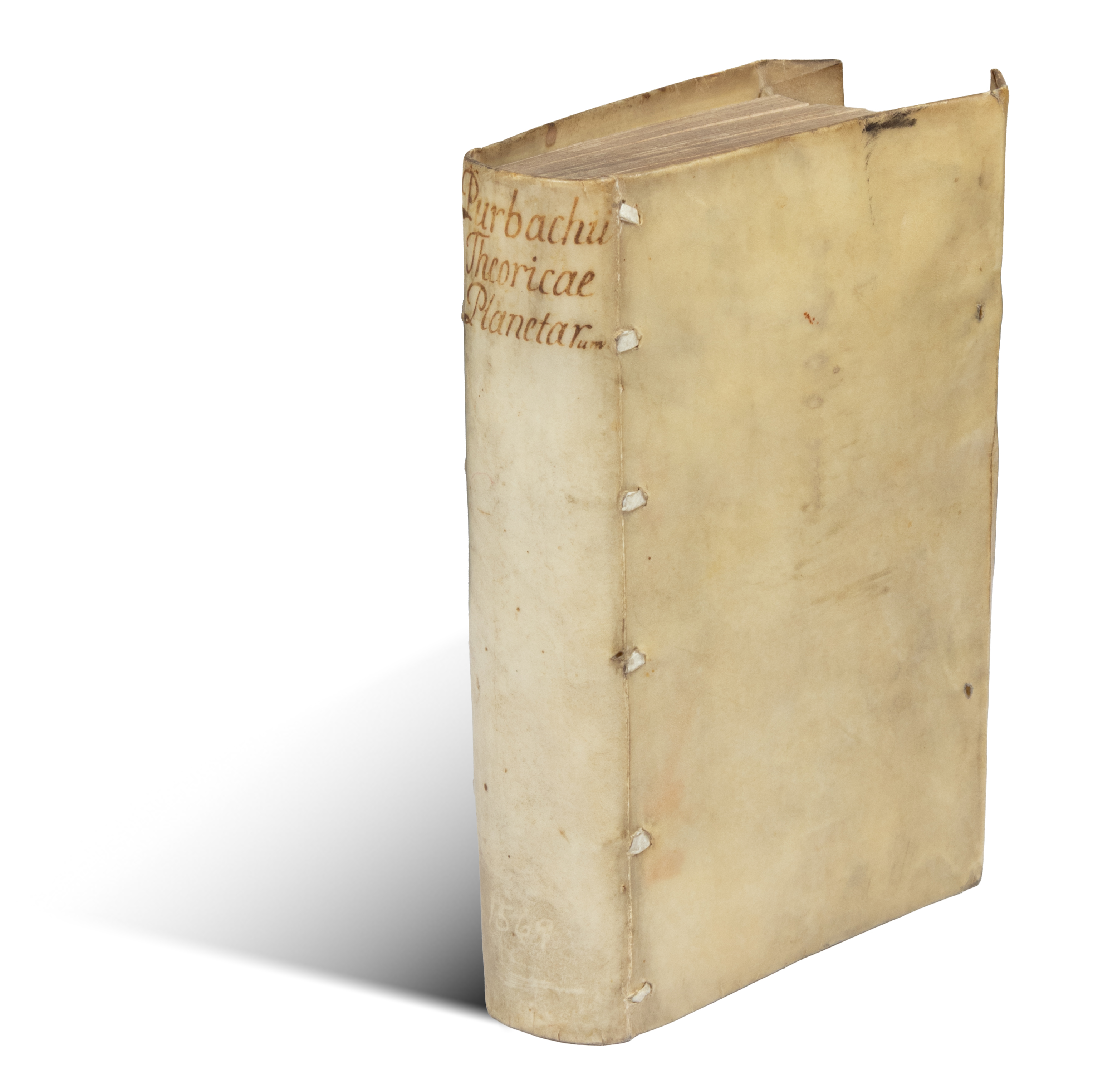
Két nyolcadrét kötet egybe fűzve, teljes, korabeli puha pergamenkötésben. Ex libris Professor, Astronomer, Historian & Bibliophile Owen Gingerich.
VD16 P 2070
Ten years after Peuerbach's death, when the art of printing had begun to spread, Regiomontanus set up his own printing press in Nuremberg with the express goal of putting the new technology in the service of astronomy. One of the first two texts he printed was the Theoricae novae planetarum in 1472. Because some manuscripts are extant, it can be verified that he followed them quite faithfully.
Over one-third of the work's length is taken up by 29 sophisticated diagrams, which are indispensable for understanding Peuerbach's reasoning. They even seem to be highlighted in the title, although the word theorica is not found in the meaning of "diagram" in medieval Latin dictionaries, and in Gerard of Cremona—who uses it in the singular—it probably means something like "theory". In Peuerbach's title, by contrast, the expression is in the plural, while every single diagram is separately titled (Theorica solis, Theorica lunae, etc.). This strongly indicates that in the language of Peuerbach and Regiomontanus, the word denotes a diagram.
The Theoricae novae planetarum had tremendous success. At least 56 printed editions were published up to 1653.
Bound together as a publisher's convolute (colligatum): Christopher Wursteisen [Vurstisius] Quaestiones Novae in Theoricas Novas Planetarum, Basel, 1568. Ex Officina Henricpetrina. [16] + 429 + [5]p. a8, A-Z8, Aa-Cc8, Dd4.
Peuerbach's treatise is followed here by the commentaries of Christian Wurtisen (1544–1588), a Swiss mathematician, astronomer, and historian from Basel, who had a particularly keen interest in astronomy.
The two works, which are sometimes found bound together in this way, are illustrated respectively by 51 woodcuts in the text and 6 folding plates out of text, and by 42 woodcuts in the text and 6 folding plates out of text. The second work, which has its own title page, includes a beautiful title vignette; a printer's mark can be found at the end of each volume.
Two octavo volumes bound together, complete, in a contemporary limp vellum binding. Ex libris Professor, Astronomer, Historian & Bibliophile Owen Gingerich.